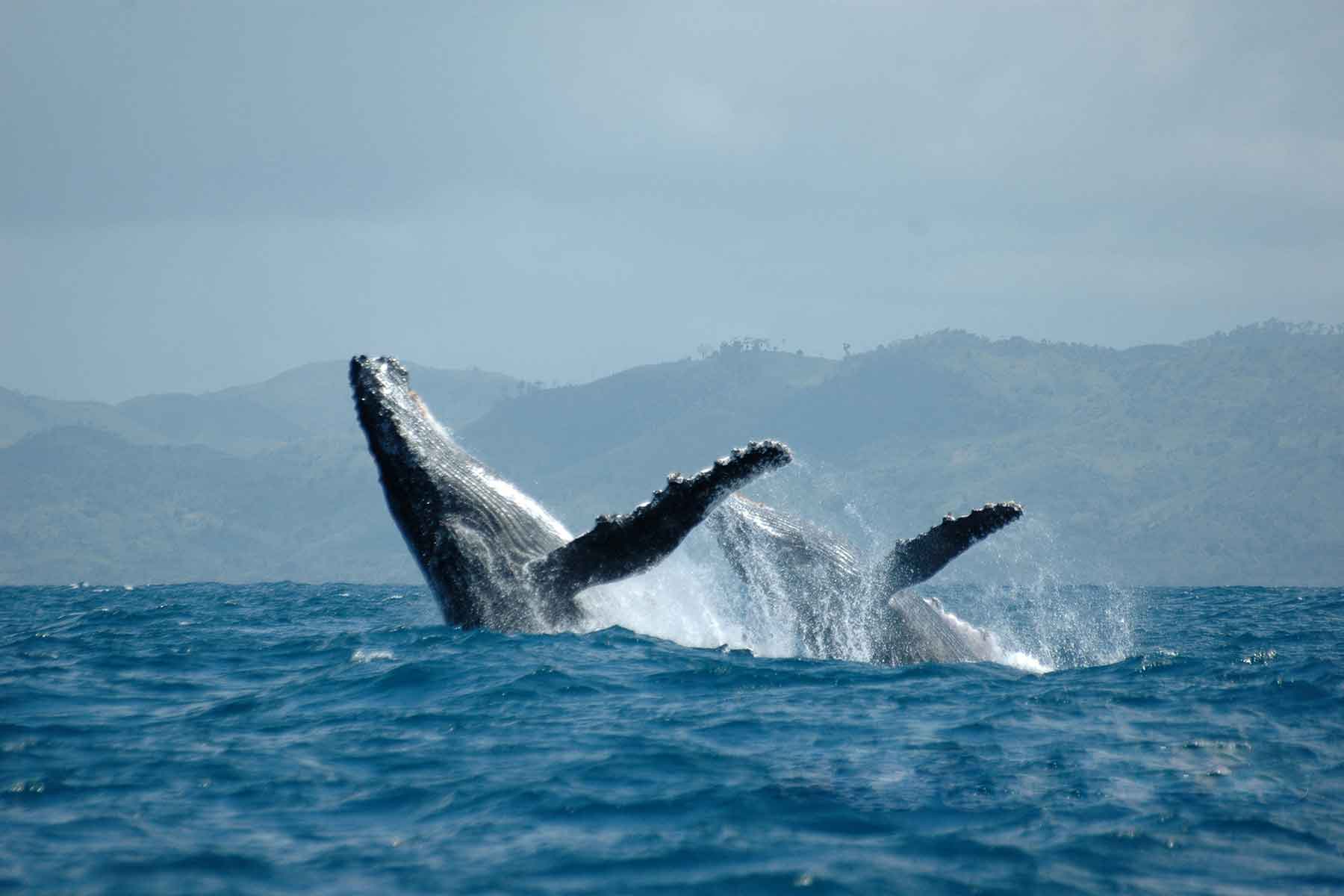
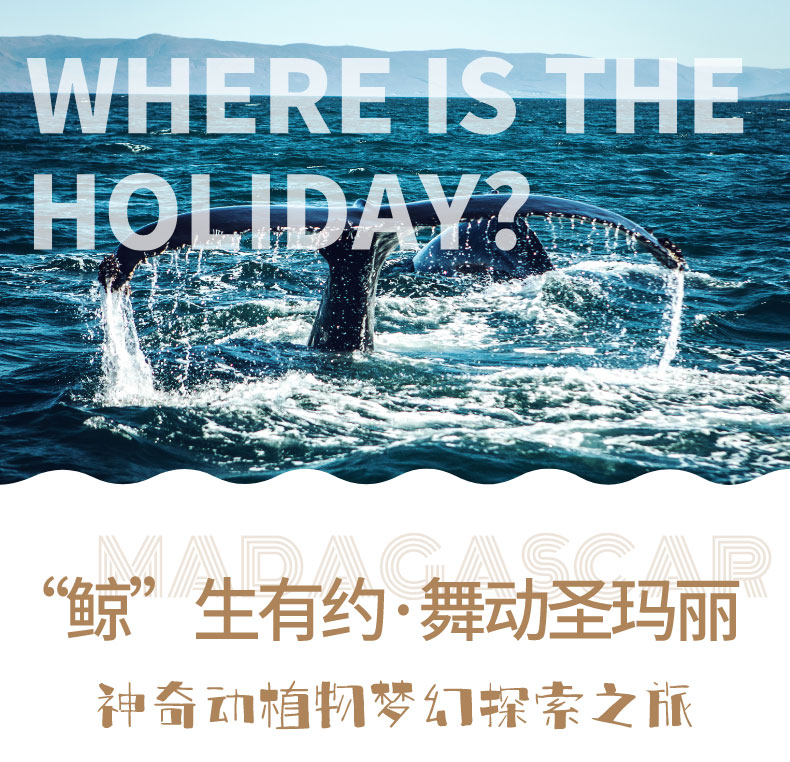
Humpbacks come to this one island to calve every winter. For three months you can watch mothers teaching newborns to breach, from a boat small enough to hear them breathe.
Seasonal This trip only runs July to September, when the humpbacks are in the channel to calve. Outside that window we suggest a different route — Andasibe and the RN7 work year-round.
No payment now · A real person replies within 24h · 30% deposit only once you approve the plan
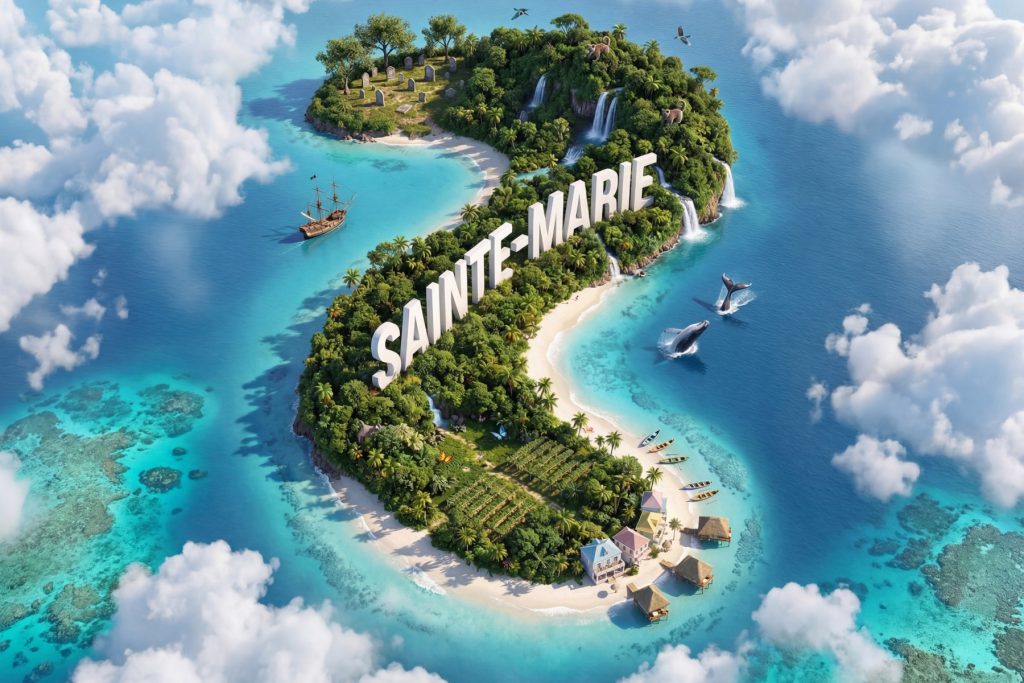
Sainte Marie — Nosy Boraha in Malagasy — is a 60-kilometre sliver of forest and white sand off the east coast, and between July and September it is the best place in Madagascar to see humpback whales. They come up from the Antarctic to breed in these sheltered waters, and because the channel between the island and the mainland is calm and relatively shallow, the whales stay close. You get three separate outings across the week, plus a day on Île aux Nattes, the car-free island a short pirogue ride away, and the pirate cemetery at Ambodifotatra — this was the Indian Ocean's main pirate base for thirty years.
Six things that make this week different from a generic island itinerary.
The whales that stay closest are almost always females with newborn calves in tow. Breaching, tail-slapping and fin-waving are how the calves learn to move — and what you spend the morning watching.
Sightings are never guaranteed. Three separate boat days across the week is the honest answer to that, and it also means you are not gambling the whole trip on a single morning.
A small island a fifteen-minute pirogue crossing from the south coast. No cars, one sandy track, and beaches that empty after the day-trippers leave at four.
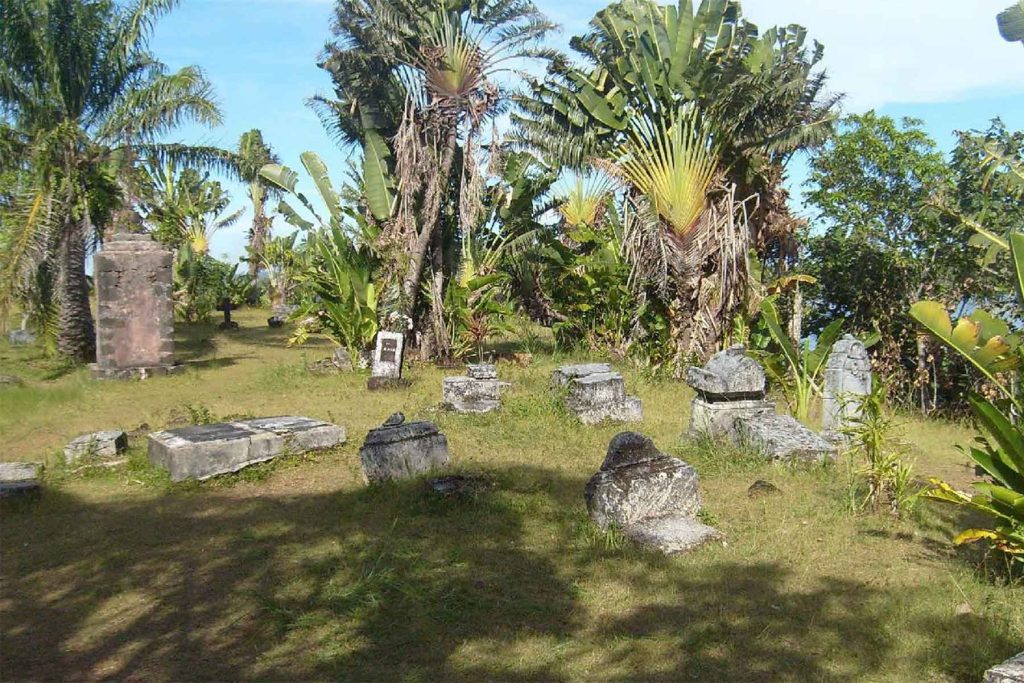
Ambodifotatra was the base for Indian Ocean piracy from the 1690s to the 1720s. The cemetery has the graves, and there are wrecks in the bay you can still dive.
Natural swimming pools cut into the basalt on the east coast, filling and emptying with the swell. Best at low tide, and almost always empty of other visitors.
The last lowland forest on the island, walked with a local guide, then a pirogue through the mangrove channels at Ampanihy Bay. Crabs, herons, and no one else.
This is the real operating plan — we can move things around for your dates.
Met at Ivato airport and driven into the capital, around 45 minutes. The rest of the day is yours. Your guide meets you in the evening to hand over the domestic flight details and check one thing: whether you want to spend day four on Île aux Nattes or keep it free for a second whale morning. Both work — it depends on how much time you want on the water.
Morning domestic flight east to Sainte Marie, roughly an hour and a half. Transfer south along the island's one coastal road to your hotel — around 40 minutes, past rice paddies, vanilla plots and the occasional zebu cart. The afternoon is free on the beach. If you want to orientate, a short walk to the nearest village is worth it: this is a place where people still wave at cars.
Out on the water by mid-morning with a local skipper who has been running whale trips here for years. Boats work to a code of conduct — approach slowly, cut the engine at a distance, and let the whales choose whether to come closer. Mothers with calves often do. Back on land by early afternoon; the rest of the day is for the beach or the pool.
A short pirogue crossing to Île aux Nattes, the car-free island just off the south coast. You walk the sandy track to the far side, swim, and have lunch on the beach. There is a small lemur park on the island if you want it, though after the whales most people would rather do nothing. Back by late afternoon, before the day boats leave and the beaches empty out.
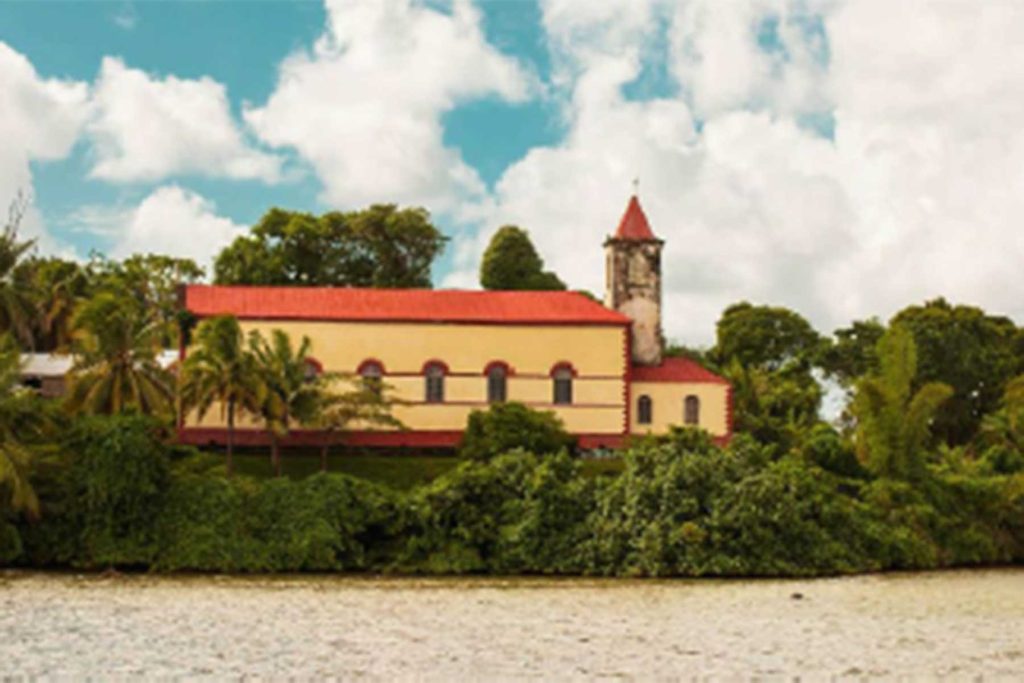
A second morning on the water. After lunch, north to Ambodifotatra — the old pirate capital — for the cemetery and the 19th-century church, then on to Ambodiatafana where natural rock pools sit in the basalt at the water's edge. Time it for low tide and you can swim in them. Return south in the late afternoon.
The last morning on the water — a third chance, and by now your skipper knows where the mothers have been holding. Back for lunch, then a walk in the Kalalao forest with a local guide: the last patch of lowland forest on the island, with the chameleons and herons that go with it. If you would rather swap the forest for the mangrove pirogue at Ampanihy Bay, say so on the day — both are included.
Transfer to the airport for the flight back to the capital, timed to connect with your international departure. There is no whale outing scheduled today, deliberately: the boats go out in the morning and the flight north leaves around midday, and we would rather you were on the plane than watching the clock. If your international flight leaves the following day, we add a final night in Antananarivo and a morning at the handicraft market — send us your flight number and we will build the connection properly.
One price, quoted per person, with the awkward extras already in it. We publish what is not included too, so there are no surprises on the ground.
per person, based on two travellers sharing
The final figure depends on how many of you travel, your dates and the hotel category. Tell us your dates and we send one clear number — not a range.
Get the exact price for my datesReply within 24 hours, Monday to Saturday. Domestic flights quoted at the fare available on the day.
Madagascar is not a country where things fix themselves on the day. When the road is washed out or a flight moves, who you booked with decides how fast it gets solved.
| Booking direct with us | Booking through a reseller | |
|---|---|---|
| Who runs the tour | The operator, in Antananarivo | An agency that resells to a local operator |
| Price | Direct rate, no commission layer | Usually a commission added on top |
| If a flight or road changes | We rearrange it ourselves, same day | Message relayed to a third party |
| Vehicle and guide | Our own fleet, our own guides | Whichever supplier is available |
| Who answers your email | The person who will brief your guide | A call centre or sales desk |
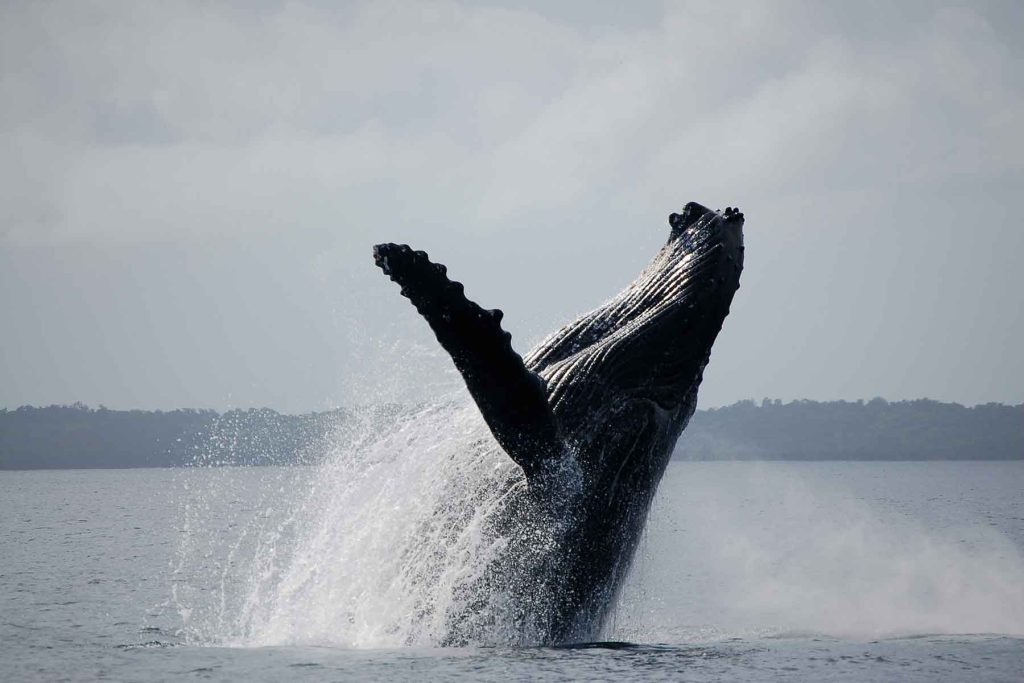
No, and any operator who promises that is not being straight with you. This is a wild migration, not an aquarium. In July and August the sighting rate on this coast is high — the whales are here specifically to calve in sheltered water, and the boats work the same few square kilometres every day — but a blown-out morning happens. That is why the itinerary has three separate outings rather than one.
July, August and September are the core months, with August the peak. Late June and early October often work but the numbers drop off. If whales are the whole reason for the trip, book August and book early — the good hotels on the island have perhaps sixty rooms between them in high season.
A short domestic flight from Antananarivo, around ninety minutes, included in the price. There is also a road-and-ferry route via Toamasina, which takes most of a day and is not worth it on a seven-day trip. Flights are limited and fill up in season, so the earlier you confirm dates the better the connection we can build.
Closer than you expect, but on the whales' terms. Operators here follow a code of conduct: approach slowly, cut the engine at a set distance, and never chase or cut across a whale's path. Curious calves frequently come to the boat on their own. You will not be swimming with them — that is not permitted here, and it is the right call.
Usually not. The channel between Sainte Marie and the mainland is sheltered, and most mornings are calm. That said, if you are prone to seasickness take a tablet an hour before, and tell your guide — outings can be moved to the afternoon when the wind drops. The boats are open skiffs with a canopy, not cruise launches.
More than most people expect. Île aux Nattes, the pirate cemetery and Ambodifotatra, the rock pools at Ambodiatafana, the Kalalao forest, mangrove pirogues, and some genuinely good snorkelling on the reef. Divers should ask us about the wrecks in the bay — there are several, and the visibility in August is decent.
The itinerary is costed on Mantis Soanambo Hotel & Spa, a four-star property on the south coast with a pool, a spa and the best breakfast on the island. Two alternatives worth knowing about: Princesse Bora Lodge & Spa, smaller and quieter with its own dive centre, and Les Villas de Vohilava, the value option if you would rather spend the difference on a longer trip. Tell us which you prefer and we quote the difference before you book — all three are properties we use regularly, not names off a list.
Yes, and most people do. The natural pairing is Andasibe for the indri at the start — two nights, three hours east of the capital — which makes a ten-day trip. Tell us your total time and we will build the combination rather than sell you two separate tours.
A 30% deposit confirms the booking and the balance is due 30 days before you arrive. Card and bank transfer both work. You get a written invoice with the full breakdown before paying anything. Peak-season Sainte Marie hotels need confirming early, so we ask for the deposit promptly once you approve the plan.
You are writing to the office in Antananarivo, not a call centre. A named person reads it, checks flight availability and hotel space for your dates, and comes back with a written plan you can approve or change.
Two minutes. The more you tell us, the more useful the first reply will be.